
Aspirus St. Luke’s Launches Rapid-Response ECMO Program, Adding Lifesaving Support to the Region
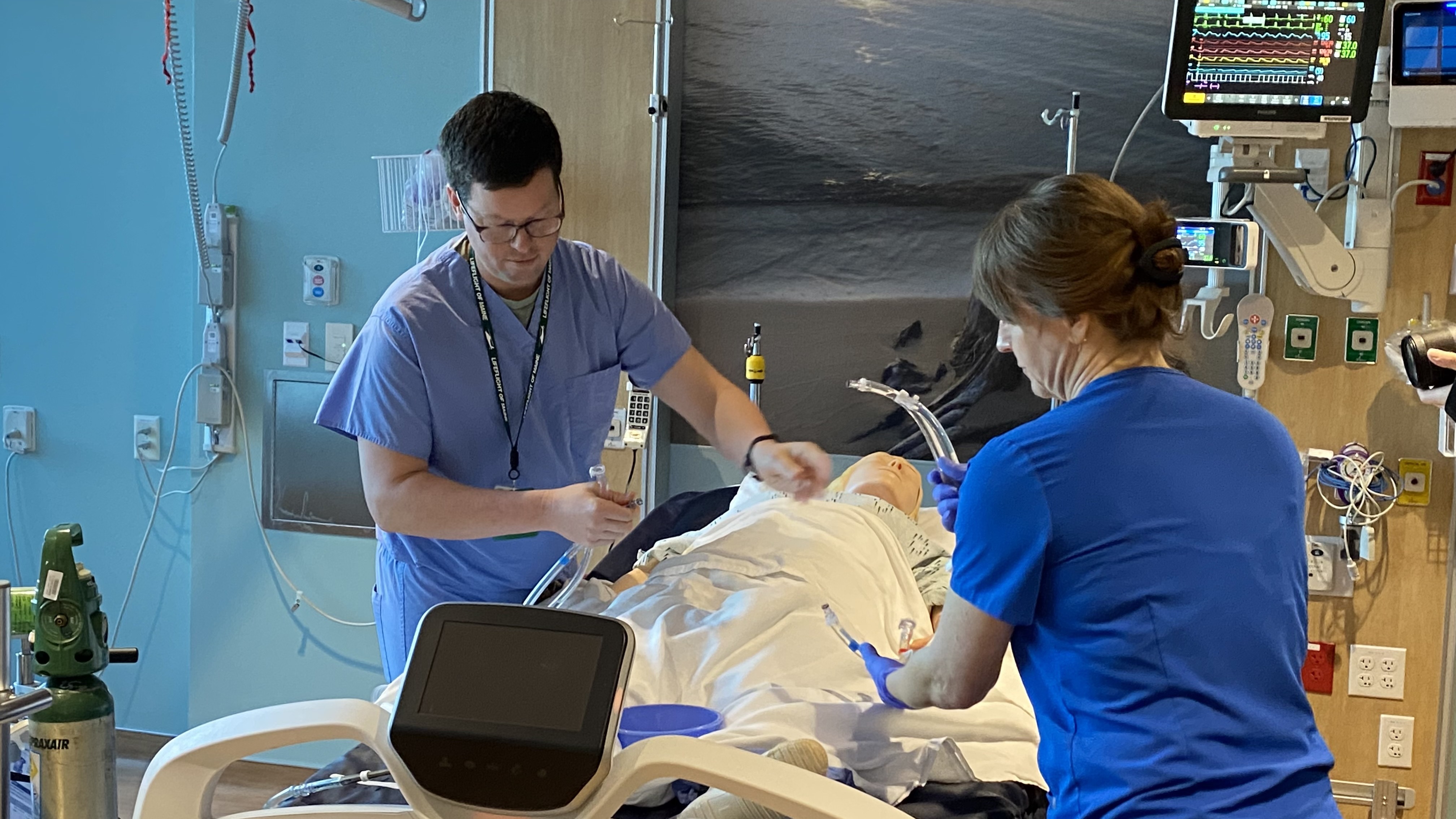
Aspirus St. Luke’s (ASL) has launched a new, fully-operational extracorporeal membrane oxygenation (ECMO) program that’s aimed at saving lives.
The program is an advanced, protocol-driven system designed to rapidly initiate lifesaving heart and lung support for critically ill patients across the region. ASL has built upon a previous investment in ECMO technology, the organization now has an operational comprehensive, in-house system, including trained ICU and Emergency Department physicians and nurses with established protocols and an internal ECMO alert process. The process allows teams to activate ECMO support anytime a critically ill patient needs it.
“Having a dedicated system with two dozen trained staff members ready for ECMO response the minute a critical patient is brought through our doors is something that’s unique to our region,” said Critical Care and Emergency Medicine Physician Dr. Matthew Spanier. “During time-sensitive emergencies such as severe influenza, cardiac arrest, drowning, and severe hypothermia minutes matter. Our ability to promptly recognize an ECMO candidate and initiate support with our on-site staff is critical for improving outcomes of our most vulnerable patients.”
ECMO supports patients experiencing heart and/or lung failure by oxygenating and circulating blood through a pump outside the body, buying time for the heart and lungs to recover. Until now, critically ill patients in the region frequently required teams from the Twin Cities or other distant centers to fly in and initiate ECMO. Funding from St. Luke’s Foundation via the Dale W. App Medical Education Fund with additional support from the Northland Foundation via the Otto Bremer Trust and its Community Responsive Fund made the launch of the new program possible.
“We are pleased to have an advanced ECMO program that can provide immediate support for the benefit of our patients and community,” said Dr. Spanier. “ECMO technology is life saving for our patients and means giving them a better chance than they had in the past of returning home to their loved ones.”
The availability of rapid-response ECMO also streamlines coordination with EMS and helicopter transport teams. With the new program, ASL staff can provide initial stabilization directly, reducing delays and improving outcomes.